Speaking & Phrases · 6 min read
Ty vs Vy: When to Use Formal and Informal You in Russian (and How to Switch)
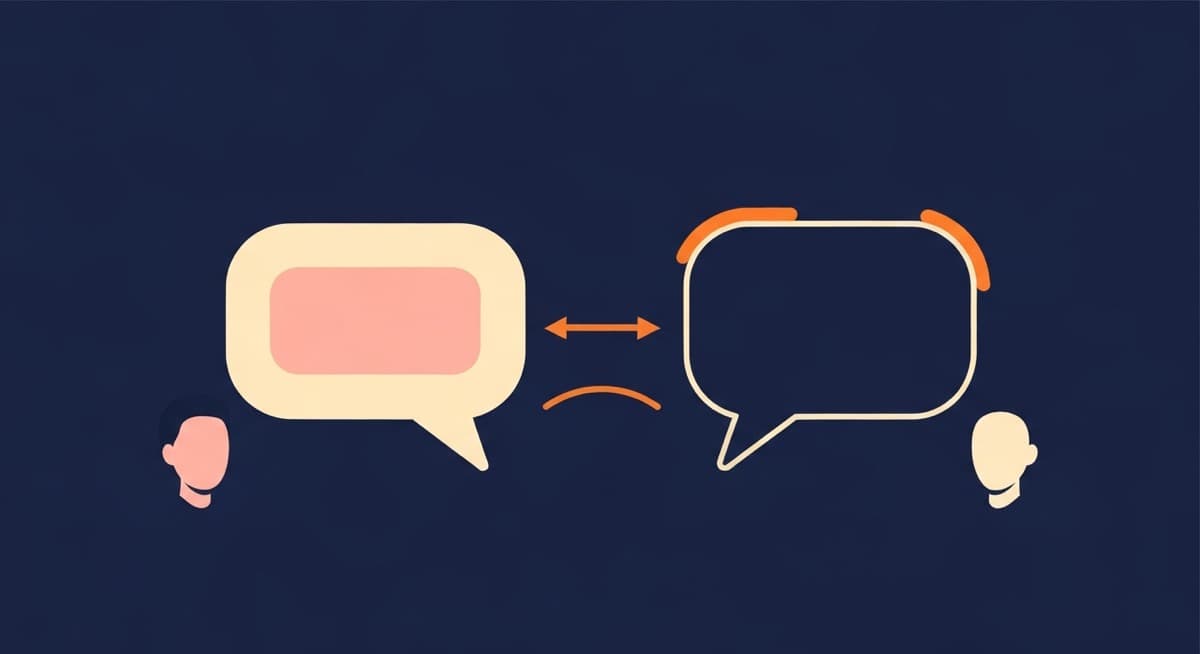
One of the first things that surprises people about the ty vs vy russian question is that it is not just grammar, it is a social signal. Use the wrong "you" and you either sound cold and distant, or you overstep a boundary before you have been invited in. Get it right and you show a level of cultural awareness that Russians genuinely notice and appreciate.
Here is exactly how it works.
Two words for "you": what they mean
Russian has two words where English has one.
| Russian | Pronunciation | English |
|---|---|---|
| Ты | Ty | You (informal) |
| Вы | Vy | You (formal / plural) |
Ты is warm and close. You use it with friends, with family, with children, and with anyone who has explicitly invited you to use it.
Вы is respectful distance. You use it with strangers, with people older than you, with anyone in a professional or formal setting, and when you are speaking to more than one person at once (it is the plural "you" too, like saying "you all").
The simplest rule: when in doubt, start with Вы. It is never wrong to be respectful. The moment someone switches to ты with you, or invites you to switch, is a real signal of warmth.
Where it shows up right away: asking names
The ty/vy split shows up the very first time you ask someone their name.
| Russian | Pronunciation | English |
|---|---|---|
| Как тебя зовут? | Kak tebya zavut? | What is your name? (informal) |
| Как Вас зовут? | Kak Vas zavut? | What is your name? (formal) |
Both mean the same thing. But the form you choose tells the other person exactly how you are reading the situation.
Use Как тебя зовут? with a child, a friend of a friend your own age at a casual party, or someone who has already said Привет (Privet) and is clearly being relaxed with you.
Use Как Вас зовут? with a stranger you have just met in a professional context, with your partner's parents the first time you meet them, or with anyone noticeably older than you.
If you are not sure: default to the formal version. Starting formal and being invited to relax is always better than starting casual and making someone feel you have skipped a step.
The rule that matters most: let the Russian speaker lead
This is the most important thing to understand about ty vs vy in Russian. Never switch to ты on your own. Wait for the Russian speaker to signal it.
An unsolicited switch to ты can read as presumptuous, as if you are closer than you have actually become. The relationship has to earn ты first.
The good news is that the signal is very clear when it comes. The Russian person will either switch to ты themselves (which tells you to follow), or they will say it directly.
How to invite someone to use ты: Давай на ты?
When a Russian person wants to move to the informal register with you, they will often say:
| Russian | Pronunciation | English |
|---|---|---|
| Давай на ты? | Davay na ty? | Shall we switch to ты? |
This is a small but warm moment. It means the conversation has gone well enough that they want to drop the formal distance. When someone says this to you, the answer is yes, and from that point on you both use ты with each other.
You can say it yourself too, but only once you have been talking for a while and the vibe is genuinely relaxed and friendly. Never in the first few minutes with someone.
When Вы stays, even with people you know well
Here is something worth keeping in mind: Вы does not always melt into ты over time. Sometimes Вы stays, and it is a sign of lasting respect rather than distance.
So if you meet an older relative of your partner and they keep using Вы with you even after a warm welcome, do not read it as coldness. Match their register and do not push for ты until they invite it.
Plural vs formal: one more thing to know
Вы does double duty in Russian. It is the formal singular "you", but it is also the ordinary plural "you", as in speaking to a group.
| Russian | Pronunciation | English |
|---|---|---|
| Откуда ты? | Atkuda ty? | Where are you from? (one person, informal) |
| Откуда вы? | Atkuda vy? | Where are you from? (one person formal, OR a group) |
| Вы говорите по-русски? | Vy gavarite pa-ruski? | Do you speak Russian? (formal / plural) |
Context almost always makes it clear which meaning is intended. If you are talking to one person in a formal situation, Вы is the respectful singular. If you are talking to a table of people, Вы is simply "you all."
A quick guide to the two registers
| Situation | Use |
|---|---|
| Meeting your partner's parents for the first time | Вы |
| Talking to a boss, doctor, teacher, or older stranger | Вы |
| Asking someone's name in a professional setting | Как Вас зовут? |
| Talking to a friend you already know | Ты |
| Talking to a child | Ты |
| After someone says Давай на ты? | Ты |
| Addressing a group of any kind | Вы |
The cultural layer: why this matters more than it sounds
In English, "you" is just "you." But when you use Вы in Russian, you are doing something actively respectful. And when someone moves to ты with you, it means something real: a small door has opened.
This is why the ty/vy choice often matters more to the people you meet than any pronunciation detail. A slightly accented Здравствуйте (Zdravstvuite) with the right level of formality behind it lands better than a perfectly pronounced greeting that gets the register wrong.
Start with the greetings, then build from there
If you are new to Russian, the best place to start is getting the greetings right, because the ty/vy question will make immediate sense once you see it in the very first things you learn to say. The free greetings guide gives you the core phrases with their pronunciation, so you can start using real Russian right away.
Download the free greetings guide to see these distinctions in action from the very first phrases.
And if you want to go deeper, into the words, phrases, and cultural context that actually make a difference when you are around Russian speakers, the Russian e-book is built for exactly this level: no grammar walls, just real language with the cultural layer explained.